Injury Management for Elite Athletes: Expert Insights

Injuries are an unfortunate reality for elite athletes. Whether it's a sprained ankle, a torn ligament, or a stress fracture, injuries can derail careers and impact performance. Understanding how to manage these injuries effectively is crucial for athletes aiming to maintain their competitive edge. This blog post delves into expert insights on injury management, offering practical strategies and tips for athletes, coaches, and sports professionals.
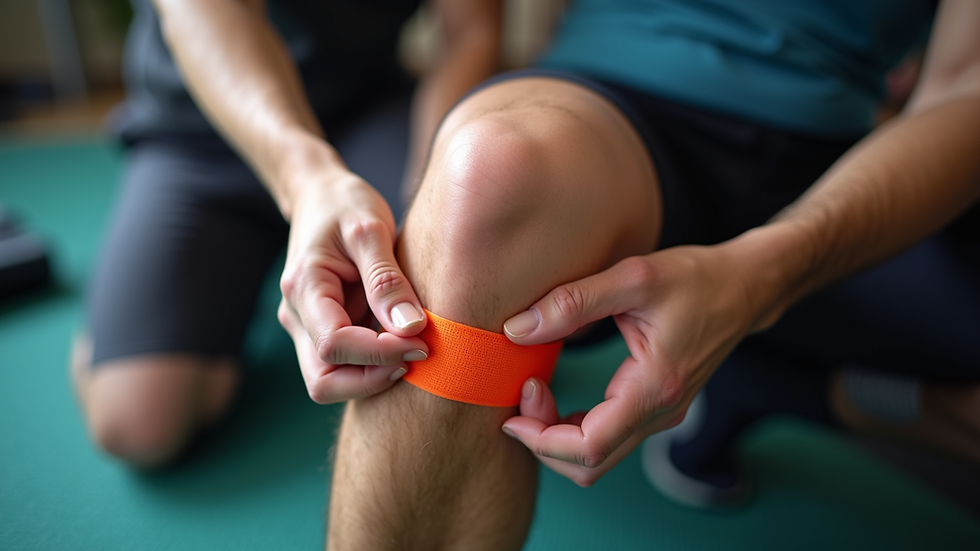
Understanding Common Injuries in Elite Sports
Before diving into management strategies, it's essential to recognize the types of injuries that commonly affect elite athletes. Some of the most prevalent injuries include:
Sprains and Strains: These are among the most common injuries, often occurring in the ankle or knee. They result from overstretching or tearing ligaments (sprains) or muscles (strains).
Fractures: Stress fractures, particularly in weight-bearing bones, are common in sports that involve repetitive impact, such as running and gymnastics.
Tendinitis: This condition involves inflammation of the tendons, often seen in the shoulders, elbows, and knees. It can be caused by overuse or improper technique.
Concussions: Particularly in contact sports, concussions can have serious long-term effects and require careful management.
Understanding these injuries helps athletes and their support teams to develop effective management strategies.
The Importance of Early Intervention
One of the most critical aspects of injury management is early intervention. Research shows that prompt treatment can significantly reduce recovery time and improve outcomes. Here are some key steps for early intervention:
Recognize Symptoms: Athletes should be educated on the signs of injury, such as pain, swelling, and reduced range of motion. Early recognition allows for quicker action.
Seek Professional Help: Consulting with a sports medicine professional or physiotherapist is vital. They can provide a proper diagnosis and recommend an appropriate treatment plan.
Implement the RICE Method: For acute injuries, the RICE method (Rest, Ice, Compression, Elevation) is a widely recommended first-aid approach. This method helps reduce swelling and pain.
Rehabilitation Strategies
Once an injury has been diagnosed, a structured rehabilitation program is essential for recovery. Here are some effective strategies:
Physical Therapy
Physical therapy plays a crucial role in rehabilitation. A qualified therapist can design a personalized program that includes:
Strengthening Exercises: These help rebuild muscle strength around the injured area.
Flexibility Training: Stretching exercises improve range of motion and prevent future injuries.
Functional Training: This involves sport-specific drills that prepare the athlete to return to their sport safely.
Gradual Return to Activity
Returning to sport should be a gradual process. Athletes should follow a phased approach, which includes:
Low-Impact Activities: Start with activities that do not put stress on the injured area, such as swimming or cycling.
Progressive Loading: Gradually increase the intensity and duration of training sessions while monitoring for any signs of pain or discomfort.
Sport-Specific Drills: Once the athlete is pain-free, they can begin sport-specific drills to ensure they are ready for competition.
Psychological Aspects of Injury Management
Injuries can take a toll on an athlete's mental health. It's essential to address the psychological aspects of injury management:
Mental Resilience: Athletes should work on building mental resilience through techniques such as visualization and mindfulness. These practices can help maintain focus and motivation during recovery.
Support Systems: Encouragement from coaches, teammates, and family can significantly impact an athlete's recovery journey. Open communication about feelings and concerns is vital.
Nutrition and Recovery
Nutrition plays a critical role in recovery from injuries. Athletes should focus on a balanced diet that supports healing:
Protein Intake: Adequate protein is essential for muscle repair. Athletes should aim for high-quality protein sources such as lean meats, fish, eggs, and plant-based proteins.
Anti-Inflammatory Foods: Incorporating foods rich in omega-3 fatty acids (like salmon and walnuts) and antioxidants (like berries and leafy greens) can help reduce inflammation and promote healing.
Hydration: Staying hydrated is crucial for overall health and recovery. Athletes should ensure they drink enough fluids, especially during rehabilitation exercises.
Preventing Future Injuries
Preventing future injuries is a key focus for elite athletes. Here are some strategies to consider:
Proper Training Techniques
Warm-Up and Cool Down: Always include a proper warm-up before training and a cool-down afterward to prepare the body and aid recovery.
Technique Training: Working with coaches to refine technique can help prevent injuries caused by improper form.
Cross-Training
Incorporating different types of training can help reduce the risk of overuse injuries. For example, a runner might include swimming or cycling in their routine to build endurance without the same impact on their joints.
Regular Assessments
Regular assessments by sports professionals can help identify potential issues before they become serious injuries. This proactive approach allows for adjustments in training and technique.
Conclusion
Injury management is a multifaceted process that requires a comprehensive approach. By understanding common injuries, implementing early intervention strategies, focusing on rehabilitation, addressing psychological aspects, and emphasizing nutrition, elite athletes can navigate their recovery effectively. Moreover, adopting preventive measures can help ensure that they remain at the top of their game.
Athletes, coaches, and support teams should prioritize injury management as an integral part of training and competition. By doing so, they can enhance performance and longevity in their sports careers. Remember, the journey to recovery is just as important as the journey to success.


Comments